





Bolkarim
Practical SEO Mastery

Search visibility starts with understanding what actually moves rankings

SEO Workshops at Bolkarim

Most people learn SEO by reading articles and getting nowhere. These workshops are built around doing — auditing real pages, writing briefs with actual data, testing hypotheses on live projects.

SEO workshop session with participants working on live projects
Participant reviewing search analytics data on a laptop screen

Where most SEO learners get stuck

Reading about crawl budgets is not the same as finding one that is bleeding a client's indexation. Watching a keyword tutorial is not the same as mapping intent across a 400-page catalogue.

The gap is not information — it is the absence of reps. Knowing what canonical tags are does not prepare you for the moment a site has 6,000 conflicting ones.

These workshops close the distance between theory and the kind of work that produces measurable changes in organic traffic.

8 weeks structured programme
16+ tasks on real pages
4 domains used as practice sites

Structured around decisions, not definitions

Each session is built around a specific decision an SEO practitioner must make — and works through the reasoning, the tools, and the trade-offs involved.

01

Session type

Live audits

Participants audit pages together during the session. Findings are discussed in context, not graded in isolation. Mistakes become reference points.

02

Session type

Brief writing

Every content brief is built from actual search data — volume, intent, SERP composition. Participants write briefs that editors can act on immediately.

03

Session type

Technical sprints

Short focused tasks on crawlability, page speed signals, and structured data. Tools used include Screaming Frog, GSC, and PageSpeed Insights.

Draft SEO content brief samples prepared during workshop exercises
Thumbnail sketches used in SEO content planning exercises

What makes the difference between finishing and applying

Workshops are sequenced so each week builds on the previous one. By week three, participants are already running their own mini-audits on sites they choose.

The programme ends with a full site review — submitted, reviewed by the facilitator, and returned with specific notes on what would move first in a real campaign.

  1. Weeks 1–2: crawl logic, index coverage, and the signals Google uses before a page ranks.
  2. Weeks 3–4: keyword research workflow using real tools — Ahrefs, GSC export, and intent clustering.
  3. Weeks 5–6: on-page structure, internal linking, and how anchor text distribution affects topical authority.
  4. Weeks 7–8: full site review, gap analysis, and a prioritised action list.
Workshop participant reviewing SEO audit results on screen

Getting unstuck is part of the format

Questions do not wait until the next session. There is a shared workspace where participants post what they are working on and get responses — usually the same day.

Not a helpdesk. Not a forum. A place where the actual problem gets looked at, not just acknowledged.

Async feedback

Submit your audit or brief between sessions and receive written notes before the next live meeting.

Peer review rounds

Participants review each other's work in structured pairs. Reading someone else's reasoning sharpens your own.

Office hours

One optional live call per week for anything that needs a longer conversation — tool setup, edge cases, campaign decisions.

The facilitators have done this work recently

Bolkarim workshops are led by practitioners who are currently working on client projects — not retired consultants packaging old experience into courses.

The lead facilitator, Oleksandr Varchenko, has spent the past six years on technical and content SEO across e-commerce, local services, and media publishing.

Worked on crawl architecture for a catalogue site with over 80,000 URLs and measured the indexation outcome over 14 weeks.

Built keyword clustering frameworks for multilingual sites targeting Ukrainian and Polish markets simultaneously.

Contributed audit methodology articles to the Netpeak Blog and Ukrainian SEO community channels.

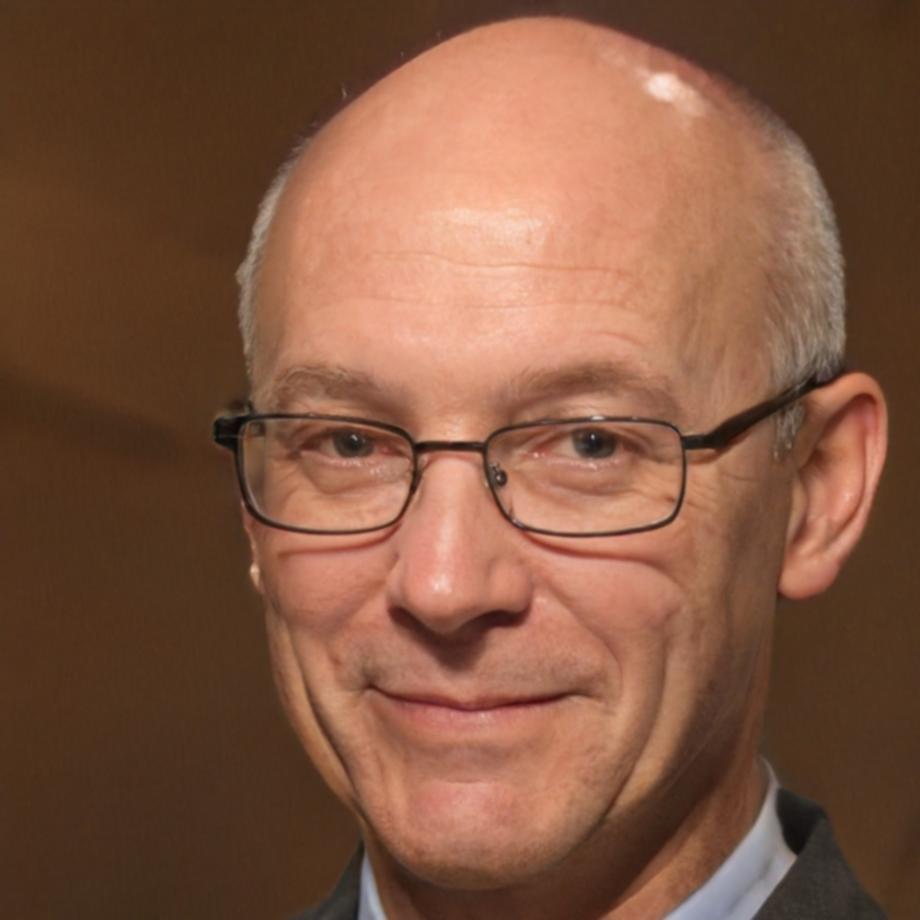
Oleksandr Varchenko, lead SEO facilitator at Bolkarim

Oleksandr Varchenko

Lead Facilitator, SEO

What participants describe afterwards

These are condensed descriptions of real experiences — not scores or percentages. The details matter more than the numbers.

Before the workshop I knew what anchor text was. After the fourth session I had actually mapped the internal link distribution of my employer's site and written a document explaining why three category pages were cannibalising each other.

That document started a real conversation with the development team.

NB
Nadia Boyko
Content strategist, Kyiv

I had been doing SEO for two years on my own. The peer review round in week five showed me I had a blind spot around how I was grouping keywords — I was mixing navigational and commercial intent into the same clusters.

Fixing that changed how I structure content for the next client project.

HT
Hryhorii Tkachenko
Freelance SEO, Kharkiv

Coming from a marketing background with no technical knowledge, I was not sure whether the programme would be too deep for me. The technical sprint in week two used Screaming Frog — I had never opened it before. By the end of the session I had crawled a site and identified four redirect chains on my own.

The facilitator did not skip the hard parts. When I got confused, I posted in the workspace and had a clear written explanation within a few hours. That pace of feedback made the difference between understanding something and leaving it behind.

OS
Oksana Savchenko
Marketing manager transitioning to SEO, Lviv
SEO workshop materials and open laptop at a participant workspace